What a British High Street Sounds Like When You Start Praying

Photo: Victuallers, CC BY-SA 4.0, via Wikimedia Commons
Before I became Muslim, I thought of faith as something you did in a building. You went in, you sat down, you stood up, you came out. The rest of the week was background noise. Then I started praying five times a day, and the background noise changed.
The bells arrive before the building does
I grew up in a town where Sunday morning had a soundtrack. Church bells, a bit off-key, rolling over the rooftops while I ate toast. I never thought much about them. They were just there, like the smell of cut grass or the sound of a bin lorry reversing. When I became Muslim, I noticed them properly for the first time. They were not hostile. They were not a challenge. They were simply the old music of the place.
That is the odd thing about Britain. It is a country with a very long memory for sound. Bells, yes, but also football crowds on a Saturday, pub chatter spilling onto the pavement, bus brakes, gulls over the precinct, a market trader shouting about bananas, the low hum of a takeaway at eleven at night. None of it is sacred in the way a call to prayer is sacred. All of it is part of the texture of home.
A town with its own background music
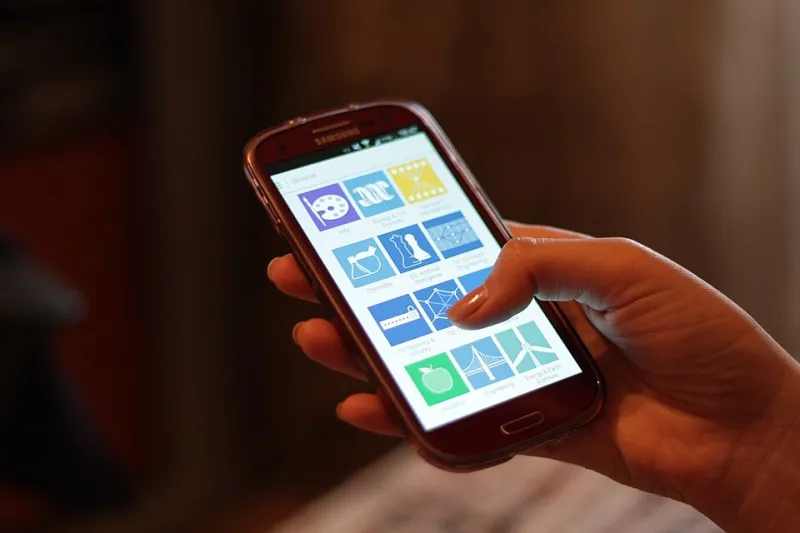
When you are new to Islam, you become strangely alert to sound. You notice the adhan app on your phone. You notice the quiet you need for prayer. You notice how loud the world is when you are trying to remember which rakat you are on.
I remember standing in a queue in a shop last autumn, waiting to pay for a pint of milk, when my phone buzzed in my pocket. It was the Asr reminder. I had set it to a gentle notification, not the full adhan, because I was still working out how to be Muslim in public without feeling like I was making a scene. I silenced it, paid, and walked home. But the buzz stayed with me. It felt like a small tap on the shoulder. You have somewhere to be, it said. Not yet, but soon.
The first time the adhan came out of my pocket
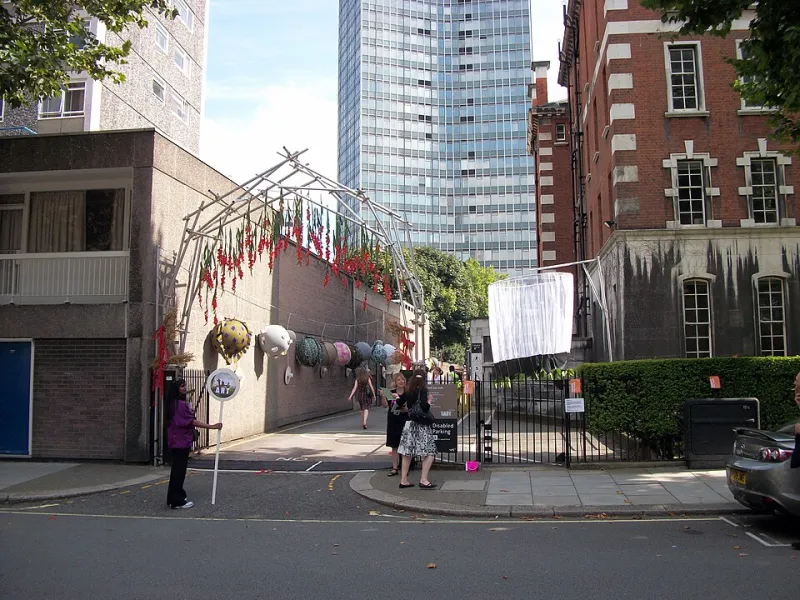
A few weeks later, I forgot to silence it. I was on the high street, outside a pound shop, and the adhan started playing from my phone. Not loudly, but loudly enough. I fumbled for the screen, embarrassed, and a woman nearby looked over. I expected a comment. She just smiled and said, is that your call to prayer? My brother-in-law is Muslim.
I do not know why that moment stayed with me. It was not a profound conversation. It was barely a conversation at all. But it was the first time the sound of my faith had been heard in public and answered with something ordinary. Not suspicion. Not a debate. Just recognition.
What belongs to whom
There is a lazy assumption that becoming Muslim means turning your back on British culture. I have never found that to be true. I have found that it means listening differently. The church bells are still there. The pub is still there. The football crowd is still there. The adhan is there too, now, in my pocket, in my flat, in the small prayer room at work.
Belonging is not a single soundtrack. It is a mix. Some days the mix is awkward. The adhan goes off in a meeting. Someone offers you a drink at the pub and you have to explain, again, that you do not drink. You are trying to pray in a quiet corner and someone asks if you are doing yoga. Other days it is seamless. You pray Asr in the afternoon, walk to the shop, hear the church bells on a Sunday, and feel like all of it is yours to live alongside.
Building a sensory home
New Muslims talk a lot about practical things: halal food, prayer times, learning Arabic, finding a mosque. We talk less about sound. But sound is how we know we are somewhere. The click of the kettle. The theme tune of the local football team. The specific beep of the crossing outside the station. The adhan at Maghrib on a dark afternoon in November.
My sensory home is a small flat with a prayer mat by the window. It is the sound of the app reminding me it is time. It is the quiet after the prayer, when the traffic outside carries on and I am still for a minute. It is the sound of my mum on the phone, asking if I am eating properly. It is the high street on a Saturday, busy and ordinary and completely unbothered by the fact that I am Muslim.
The quiet after
This autumn, walking to Asr, I heard church bells in the distance and a busker playing something I did not recognise. My phone buzzed. I did not silence it straight away. I let it play for a second, there on the pavement, and then I turned it off and kept walking.
The town sounded the same as it always had. But I heard it differently. That is not a small thing. It is how a place becomes home. Not by removing the old sounds, but by letting a new one join them.