The Passport Photo, the Bank Card and the Dua I Forgot: A Convert’s Name-Change Diary
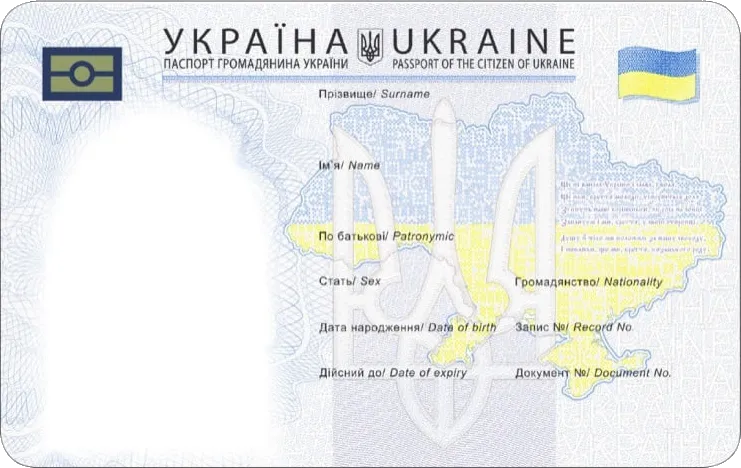
Photo: Unknown authorUnknown author, Public domain, via Wikimedia Commons
The most surreal moment of changing my name was not standing in a mosque or saying a dua in front of anyone. It was sitting in a bank branch in Leeds, sliding a piece of paper across the desk while the adviser looked at me, then at the paper, then back at me. “So you’d like to be known as…” she said, reading the name slowly. I nodded. It was the first time a stranger had said it out loud in an official setting. I nearly apologised for wasting her time.
That is the unglamorous truth about renaming yourself after shahada in the UK. There is a spiritual story somewhere underneath it, but the top layer is admin. Deed poll, passport, bank, employer, GP, council, HMRC, DVLA, the lot. And mixed in with all that is the much harder stuff: telling family, explaining yourself, and working out whether you are doing this for Allah, for yourself, or for some imaginary version of a Muslim you think you ought to be.
The bit nobody tells you: Islam does not require a new name
I wish I had properly understood this earlier. Becoming Muslim does not mean you have to swap your name. You are not issued a new one at the door, like a gym membership card. Scholars generally say a name should be changed if it has a problematic meaning, especially if it implies worship of something other than Allah, but “Daniel” or “Sarah” is not automatically a problem. Keeping your family name is normal. Taking an Arabic name is not a requirement.
That matters because there is a quiet pressure online — and sometimes in real life — to sound more Muslim than you feel. You meet one convert called Bilal and another called Aisha, and suddenly you are wondering whether “Dave” is still allowed. It is. You can be Dave. You can be Dave with a beautiful intention. You can also be Dave who chooses to be known as Yusuf because it means something to him. Both exist.
Why I wanted one anyway
For me, it was not about erasing who I was. I like my family. I like the part of the country I am from. I did not want to pretend I had sprung out of nowhere. But my birth name had become tangled up with a version of me I no longer recognised — the person who went along with things, who never asked difficult questions, who was quite happy not to think too hard about anything.
Choosing a name felt like a quiet act of ownership. Not a rejection of my past, more a marker in the road. I picked something simple. I checked the meaning. I asked a friend who knows more Arabic than I do. I said a very clumsy dua in my car afterwards, asking that the name would be a source of good rather than a performance.
The deed poll is less dramatic than it sounds
I used an unenrolled deed poll. I printed it at home, signed it in front of two witnesses, and posted copies to the places that needed it. It cost me printer ink and a bit of pride when I had to ask a neighbour to witness it while she was putting her bins out. There is an enrolled version too, which is lodged with the courts and becomes a public record. I did not want that. I wanted the name change, not a permanent searchable announcement of it.
A word of caution: check gov.uk and, if you are unsure, get proper advice. This is not a legal guide. It is one person’s experience of doing the paperwork in 2026, badly at first and then slightly better after a phone call to the passport office.
The passport, the bank and the work email
The passport was the first proper hurdle. You need the deed poll, your old passport, a new photo and a fee. The photo is the real test. My new passport photo looks like a woman who has been told to look neutral but is actually thinking about whether she left the hob on.
The bank was easier, mostly because I went in person. The work email was stranger. I had to send a message to IT that began, “Hi, slight name change request,” which felt like asking someone to redesign a website. Then there was the email signature, the payroll system, the pension portal, the work WhatsApp group. My manager was fine. My colleagues were fine. One of them said, “So do we call you the new name now?” and I said, “Yes, please,” and that was that.
Telling Mum was the awkward phone call
I saved that one for last, which was cowardly. My mum is not Muslim. She is also not silly. She knew something was shifting long before I said anything. I rang her on a Sunday evening, stood in the kitchen, and said, “I’ve changed my name. Not officially-officially yet, but I’m going to.”
There was a pause. Then: “Is this because of the religion?”
I said, “Partly. But not in the way you think.”
We talked for nearly an hour. She asked whether I was ashamed of the family. I said no. She asked whether she had to call me something different. I said she could call me whatever she liked, but I would like her to try. She asked if I was still her child. That one got me. I said, “Obviously. I’m just also trying to be honest.”
She still slips up sometimes. She calls me my old name when she is tired or worried. I do not correct her every time. It is not a test of her love. It is just a change that happened in me before it happened in her.
The dua I forgot
I planned the deed poll. I planned the passport. I did not plan the dua. I think I assumed the spiritual part would arrive on its own, like a feeling. It did not. It came later, in the car park of a supermarket, when I sat with the engine off and said, “Ya Allah, make this name something I can stand behind.”
That was the moment it stopped being paperwork. The bank card is still a bit strange. The passport photo is still terrible. But the name is mine now, not because a piece of paper says so, but because I have said it out loud to the people who matter and asked Allah to make it good.
If you are thinking about it, take your time. You do not have to change your name to be a good Muslim. If you do change it, do it for a reason you can explain to yourself at 2am. And keep a copy of the deed poll. You will need it more than you think.