The Tea and Biscuits Don't Last: Rethinking Convert Support in UK Mosques
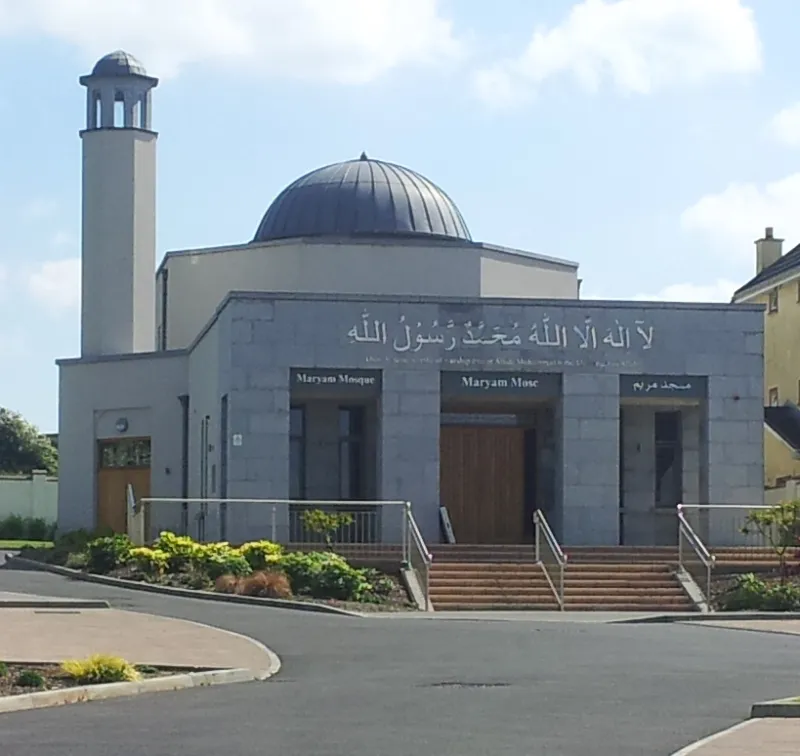
Photo: DeeEmm , CC BY-SA 2.0, via Wikimedia Commons
There's a particular sort of hug you get at a mosque on the day you take your shahada. It's warm, it's sincere, and it almost always comes with a plastic cup of tea and a paper plate of something dusted in desiccated coconut. For about a fortnight, you are the most popular person in the building.
Then the term ends. Or Ramadan finishes. Or the aunty who more or less adopted you goes back to Birmingham. And suddenly you're sitting in a flat in Leeds on a wet Tuesday, with a Qur'an you're nervous to open, a prayer timetable that seems to be written in code, and a WhatsApp group that has gone very quiet indeed.
That gap — between the welcome and the everyday — is where UK mosques most reliably lose people. Not through unkindness. Through design.
The welcome isn't fake, it's just front-loaded
I want to be clear that the enthusiasm is real. Volunteers who stay behind after Isha to sit with a new Muslim are doing genuinely lovely work, often unpaid, often after a full shift. Nobody is being cynical.
But the model most mosques run on is a welcome mat rather than a road. You get a ceremony, a certificate, some dates, a couple of phone numbers, and then you're expected to figure out the rest alone. Meanwhile the structures that actually shape someone's first three years — classes, mentoring, social circles, practical advice about work and family — are either ad hoc, aimed at children, or conducted in a language you don't speak.
Month three is where people slip through the cracks
Ask converts in Manchester or Luton or Cardiff when things got hard and you'll hear the same answer again and again: not the shahada, but the ordinary weeks afterwards.
It's the first British winter, when Maghrib lands at ten past three in December and you've left the office in darkness and missed the congregation again. It's the first June, when Fajr is at some absurd hour and you genuinely believe you've broken something. It's the first Eid away from your family, sitting in a hired hall in a jumpsuit you panic-bought, surrounded by people who all seem to know each other's cousins.
None of that is a crisis of faith. It's a crisis of support.
Mentorship needs a rota, not a reputation
Every mosque I've visited claims to have 'people who help converts'. Almost none can tell you who they are, what training they've had, or what happens if a pair doesn't click.
What actually works is unglamorous and boring: a named point of contact, safeguarding and DBS-checked volunteers, and pairs who commit to a minimum of six months rather than a single chat. Weekly for the first month, fortnightly after that. A little training so mentors know the difference between teaching and telling someone how to live. A simple review at the end, so the programme can improve instead of relying on whoever happens to be keen that year.
The mosques doing this well — there are a few, and they deserve more credit than they get — treat convert support as a budget line and a committee item, not a hobby of the imam's brother-in-law.
Social inclusion is more awkward than anyone admits
Being invited is not the same as being included. That distinction comes up constantly in conversations with new Muslims, and it's the one British Muslim communities find hardest to hear.
Picture the community iftar in a big hall in Bradford. You're seated, you're fed, everyone is friendly. But the table conversation is flying past in Urdu, the announcements are half in Arabic, and you spend two hours smiling at people who keep saying how lovely it is that you've joined. It is lovely. It's also lonely.
Small remedies go a long way: a designated host at every gathering whose one job is to talk to people who don't know anyone. A mixed-language table. A monthly converts' circle that meets in February and October, not only during Ramadan. Somebody tasked with actually ringing the person who stopped coming three weeks ago.
Boundaries should protect people, not police them
Then there's the other fault line. New Muslims are often handed a list of things they can't do by people they've known for four days, usually with far more confidence than knowledge.
It might be a stranger on the internet declaring your marriage invalid, or a well-meaning volunteer informing a woman in the prayer hall that she must now dress a certain way, or a WhatsApp forward about music. Mosques could do a lot of good simply by being clear about who a convert can approach for serious questions, and by publicly pushing back on the idea that random confident men in group chats are authorities.
The same goes for the practicalities nobody covers: how to request Eid leave without an awkward chat with HR, what happens about funeral rites when a non-Muslim parent dies, how to navigate marriage introductions when you've no family to vouch for you, and where to get decent mental health support that doesn't treat faith as the only variable.
What a decent programme actually looks like
- A short basics course that runs four times a year, not once, for people who arrive in June
- A named contact who answers messages within a week and knows what they're signposting to
- Mentor pairs with safeguarding checks and a six-month minimum
- Monthly socials across the whole calendar year, not just the good months
- A single, updated sheet of local services: halal butchers, counselling, legal advice, women's groups, student unions
None of this is expensive. It mostly requires someone to own it and someone to fund it.
A longer welcome
New Muslims in Britain aren't asking mosques to solve their lives. They're asking the warmth of day one to survive until month six. If your mosque currently celebrates converts and then forgets them, that's not a failure of hospitality. It's a gap in planning — and it's one that a rota, a name and a bit of follow-up could close.